

托福 cornucopia 閱讀 2
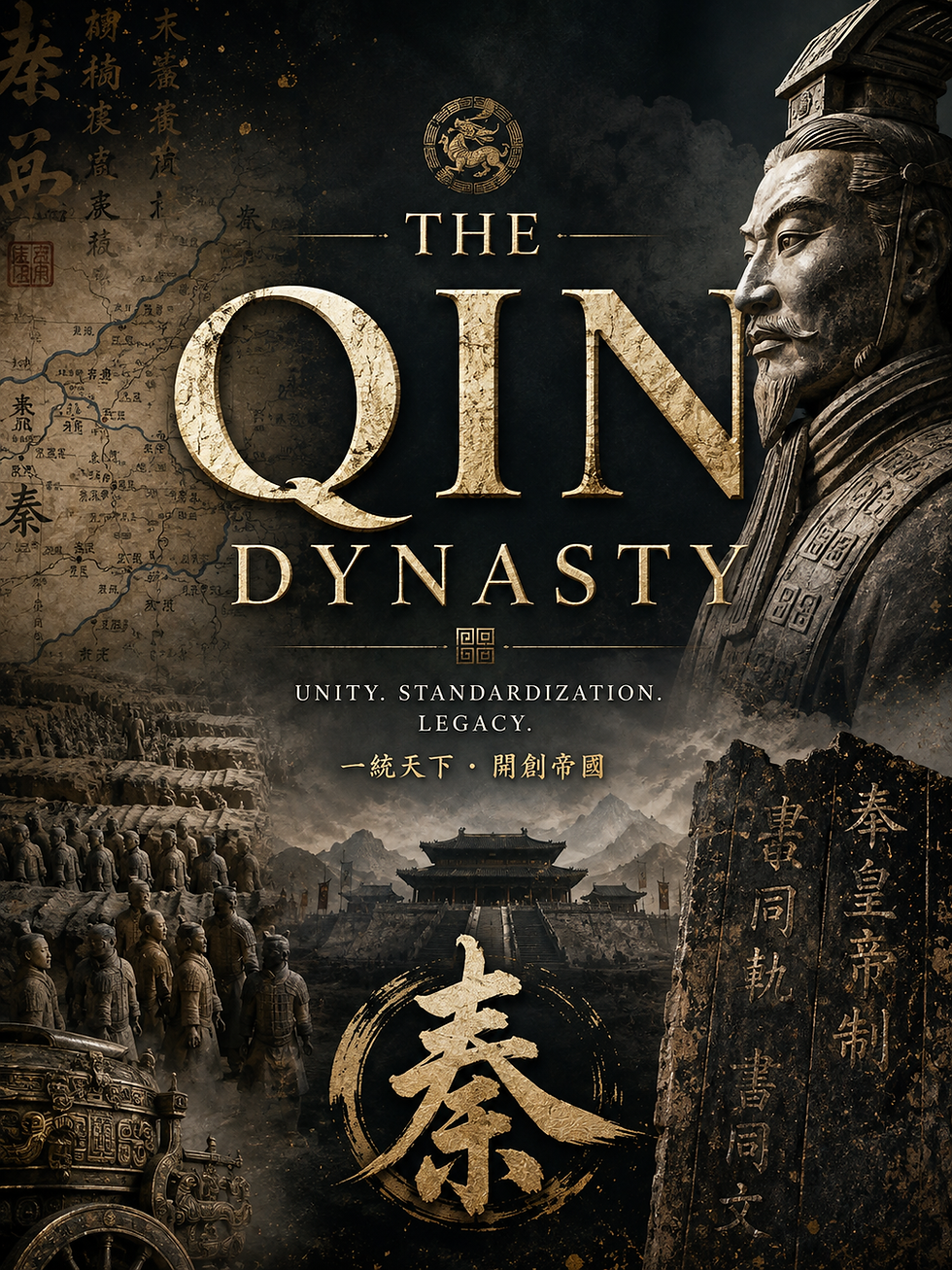
The Qin Dynasty
The Qin Dynasty ruled China for only fifteen years, from 221 BCE to 206 BCE, yet it profoundly shaped Chinese history. Before the Qin unified the country, China consisted of competing kingdoms engaged in centuries of warfare. After defeating its rivals, King Zheng declared himself Qin Shi Huang, meaning "First Emperor," and established China's first centralized empire.
The emperor replaced the old feudal system with a highly organized government. Officials were appointed based on loyalty and ability rather than hereditary status, allowing the central government to exercise greater control over distant regions. The Qin also standardized weights, measures, currency, and even the written script. These reforms made trade, taxation, and communication far more efficient across the empire.
Large construction projects became another hallmark of Qin rule. Workers built an extensive network of roads and canals to improve transportation and military movement. The government also connected existing defensive walls to form the earliest version of what later became known as the Great Wall. These achievements required enormous labor, and many workers suffered under harsh conditions.
Despite its administrative successes, the dynasty imposed strict laws and heavy taxes based on the philosophy of Legalism. Widespread dissatisfaction eventually led to rebellions shortly after Qin Shi Huang's death. Although the dynasty collapsed quickly, later Chinese governments preserved many Qin institutions, making its influence far greater than its brief existence might suggest.
Questions
1. What is the main idea of the passage?
A. The Qin Dynasty was unsuccessful in governing China.
B. The Qin Dynasty was brief but established lasting political and administrative systems.
C. The Qin Dynasty focused mainly on foreign trade.
D. The Qin Dynasty encouraged local independence.
2. According to the passage, which reform helped improve communication throughout the empire?
A. Building more farms
B. Standardizing the writing system
C. Expanding overseas trade
D. Creating local armies
3. Why did the Qin government build roads and canals?
A. To encourage tourism
B. To improve transportation and military movement
C. To increase religious activities
D. To reduce agricultural production
4. According to the passage, what contributed to the fall of the Qin Dynasty?
A. Foreign invasionB. Natural disastersC. Public dissatisfaction caused by harsh rule and heavy taxesD. Economic competition from neighboring kingdoms
5. The word "hallmark" in the passage is closest in meaning to:
A. symbol
B. challenge
C. prediction
D. accident
進階單字片語
單字/片語 | 詞性 | 字義 | 英文例句 | 例句翻譯 |
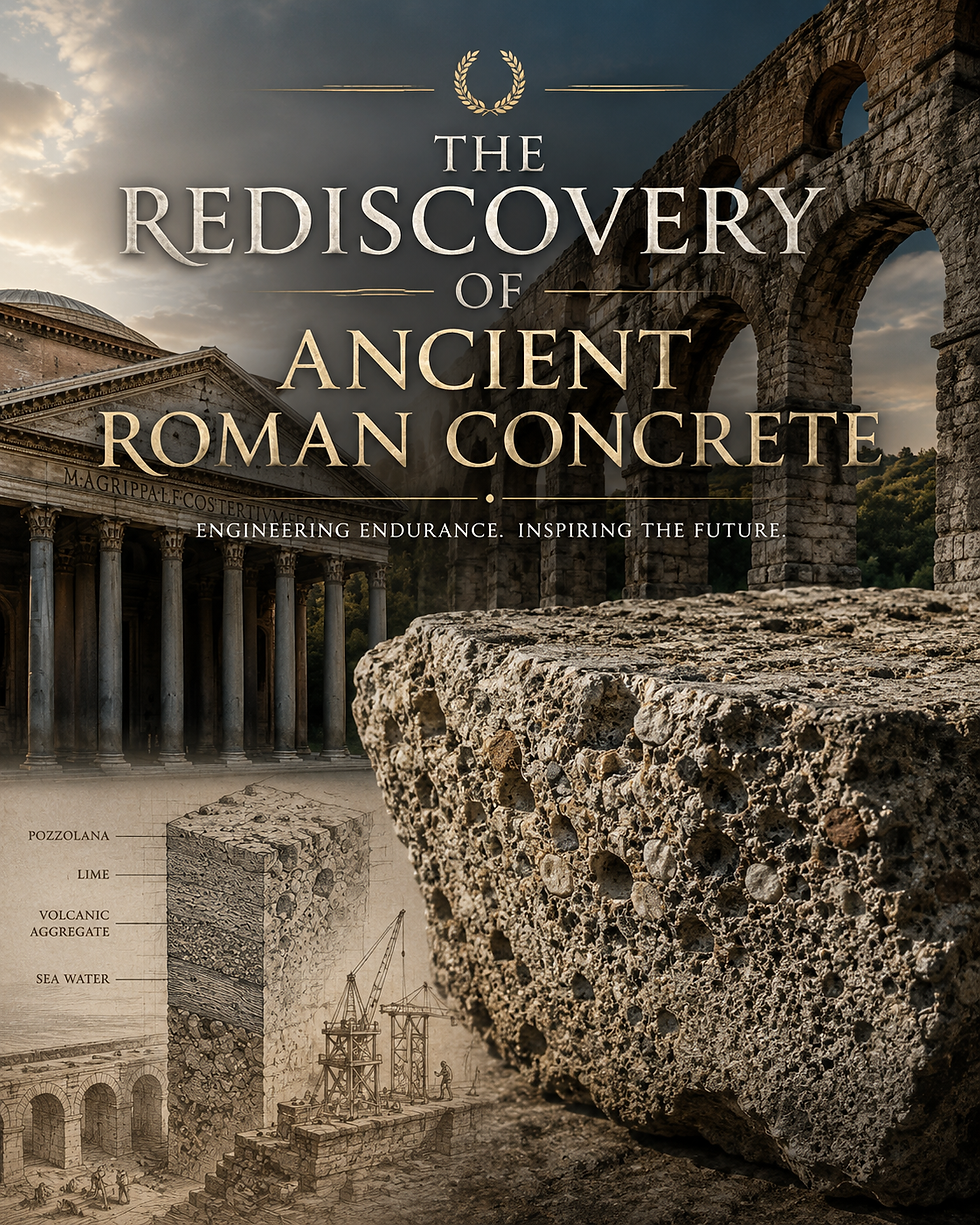
be exposed to | phr. | 暴露於;接觸到 | Concrete may weaken when it is repeatedly exposed to seawater and extreme temperatures. | 混凝土若反覆暴露於海水與極端溫度中,可能會逐漸變弱。 |
durability | n. | 耐久性;持久性 | Engineers test the durability of building materials before using them in major structures. | 工程師在將建材用於大型結構之前,會測試其耐久性。 |
concrete | n. / adj. | 混凝土;具體的 | Modern concrete usually consists of cement, water, sand, and stone. | 現代混凝土通常由水泥、水、沙與石頭組成。 |
cement | n. / v. | 水泥;黏合;鞏固 | Cement reacts with water and binds the other materials together. | 水泥會與水產生反應,並將其他材料黏合在一起。 |
crystal | n. | 晶體;結晶 | Tiny crystals form as the cement mixture hardens. | 水泥混合物硬化時,會形成微小的晶體。 |
bind | v. | 黏合;結合;束縛 | Chemical reactions bind the particles into a solid mass. | 化學反應會將粒子黏合成堅固的物質。 |
lime | n. | 石灰 | Ancient builders mixed lime with volcanic ash to produce durable construction materials. | 古代建築者將石灰與火山灰混合,以製造耐久的建築材料。 |
dissolve | v. | 溶解 | Some minerals dissolve when they come into contact with acidic water. | 某些礦物接觸酸性水時會溶解。 |
Jargon
單字/片語 | 詞性 | 字義 | 英文例句 | 例句翻譯 |
feudalism | n. | 封建制度 | Feudalism dominated much of medieval Europe before the rise of modern states. | 封建制度在現代國家興起之前主導了中世紀的大部分歐洲。 |
canal | n. | 運河 | The government built a canal to improve transportation and trade. | 政府修建了一條運河來改善交通與貿易。 |
Answers: BBBCA

留言